What Does DNF Mean in Books? (And How to Track the Ones You Quit)
What does DNF mean in books? It means Did Not Finish. Learn when readers use it, how it differs from pausing, and how to record the page where you stopped.
By Ultimate Book Tracker by Cosmo Suite · Editorial policy
Published · 8 min read
You reach the middle of a book and realize you are reading out of obligation. Maybe the story is not holding your attention. Maybe you picked it up at the wrong time. You put it down, then wonder what to call it in your reading record.
In books, DNF means Did Not Finish. Readers use it for a book they started and chose not to complete. It is a status, not a verdict on the book or on you.
Here is how to use the term, how it differs from taking a break, and what to keep in your own record if you want to remember where you stopped.
The Short Version
- DNF means Did Not Finish: you started a book and chose not to complete it.
- Use “Paused” when you may return; use DNF when you have decided to stop.
- A stopping point or short note can help you remember the choice later.
DNF means you chose not to finish a book
DNF stands for “Did Not Finish.” If you say, “I DNF’d that book,” you mean you began it but stopped before the end. The San Mateo County Libraries explain DNF as a reader’s way to mark a book they did not finish. The term appears in book discussions, reviews, reading journals, and tracking tools.
DNF describes what happened with your reading. It does not explain why. You might lose interest, find the timing wrong, dislike the style, or decide another book is a better use of your time. The label can hold all of those outcomes without turning them into a rating.
The University of Virginia's School of Education describes DNF as setting aside a book you are not enjoying. That distinction helps: DNF records your choice, not a verdict for every other reader.
If you see “DNF at 30%” or “DNF on page 80,” the reader is adding a stopping point. That detail can help you return to the same edition later, or simply remember how far you got. A note about the reason is optional. You do not owe a book a formal review just because you started it.
The term also works as a noun. “That was a DNF for me” means the book went unfinished. In a personal list, you can use DNF as a status beside the title, then add a page, chapter, or short note only when it is useful.

DNF and related reading statuses at a glance
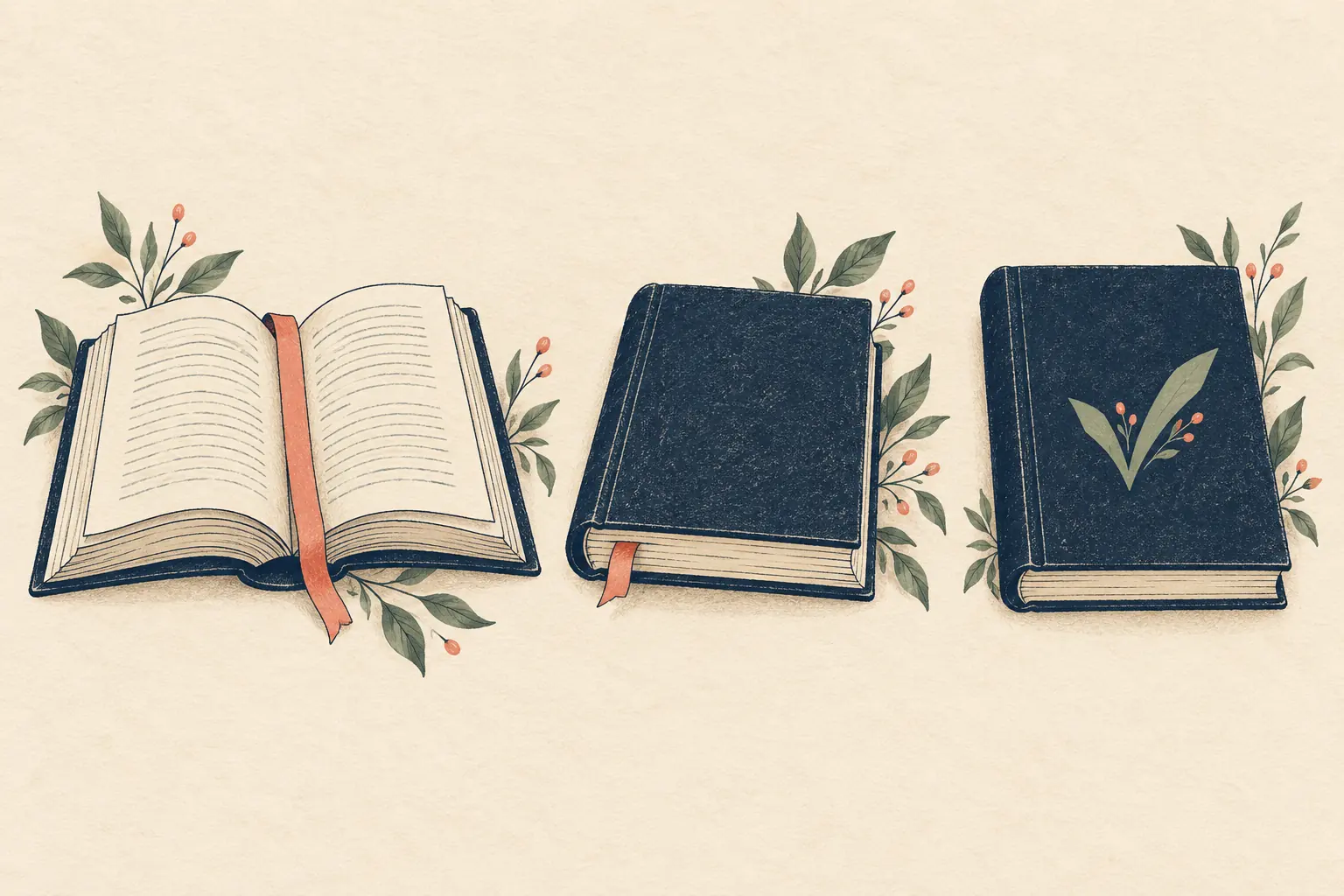
DNF means you have stopped for now as a decision. A pause means you may return, while “Read” means you finished. Keeping these labels separate makes a book list easier to understand later.
| Status | What it means | What you might record | Best for |
|---|---|---|---|
| TBR | You want to read it later | Where you heard about it | Books you have not started |
| Reading | You are partway through | Current page or chapter | A book you expect to continue |
| Paused | You stopped temporarily | When you want to revisit it | A book you may pick up again |
| DNF | You decided not to finish | Stopping point, optional reason | A book you are leaving unfinished |
| Read | You finished it | Finish date, rating, or notes | Completed books and rereads |
The labels are personal. If you return to books after a long break, “Paused” can be useful. If you know you are done, DNF is clearer. You can change the status if you pick the book up again.
For example, you might pause a novel while travelling, then return to it when you are home. That is still a pause if you expect to continue. If you later decide the book is not for you, you can change the status to DNF. The record follows your decision as it changes.
For a fuller look at how a single row can hold titles, statuses, ratings, and notes, see this guide to a book tracker spreadsheet. The goal is a record you can read without trying to remember what each label meant.
When should you mark a book DNF?
Mark a book DNF when you have decided to stop reading it, rather than when you have only stepped away for a while. There is no required page, percentage, or number of attempts. You get to decide whether you are taking a break or moving on.
Some readers stop quickly. Others give a book more time because they expect the story to change or because they want to finish a series. Neither choice needs a rule. If you are unsure, leave it as “Reading” or “Paused” and revisit the decision later.
The Atlantic’s discussion of when to stop reading describes the familiar tension between finishing and choosing something else. You can set a personal checkpoint, such as finishing a chapter or reaching the next section, but treat it as a reminder, not a test. If the book still is not for you, stopping is a complete answer.
DNF is not the same as disliking every part of a book. You might appreciate the writing and still have no wish to continue. You might also enjoy the book later, in a different season of life. A DNF records your choice at the time; it does not need to predict how you will feel forever.
When a book is assigned, part of a book club, or borrowed from someone, there may be a reason to explain your choice to another person. In your own reading record, a status can be enough. Keep the distinction that matters to you: unfinished by choice, paused with a possible return, or completed.
How to record a DNF so future you understands it
A useful DNF entry separates the book’s status from the details you may want later. Start with the title and author, mark the status as DNF, and add the page or chapter if you remember it. A short note can capture the reason without becoming a review.
Imagine a reading year with 42 finished books and 9 DNFs. This is an illustrative example, not a report about a real reader. If the nine unfinished titles appear beside the finished ones under the same “Read” status, the year’s record becomes hard to interpret. Separate statuses keep both counts visible without changing what either one means.
If those 42 finished books and 9 DNFs were the only outcomes among the books started that year, the DNF share would be 9 of 51, or about 18%. That arithmetic is a description of one made-up list, not a target or a measure of reading quality. If the year also includes paused books, leave them out of that simple comparison or define a different denominator. The point is to keep the categories clear enough that the total answers the question you meant to ask.
You might record one DNF like this:
| Title | Status | Stopped at | Note |
|---|---|---|---|
| A sample title | DNF | Chapter 6 | Not the right mood |
The title and chapter here are placeholders, not a book recommendation or a real reading log. The useful part is the shape of the entry: status first, stopping point if known, and a note only if you want one.
If you prefer not to explain yourself, leave the note blank. If you want to avoid picking up the same book by mistake, a few words may help. “Too slow right now” says something different from “save for winter,” and both are more useful than a long defense of your choice.
If you want finished books, DNFs, and reading notes in one place, the Ultimate Book Tracker Reading List keeps them in the same file.
In 2026, Goodreads announced a default Did Not Finish shelf. The company says readers can mark a book as DNF and update how far they got; their reviews, ratings, and reading history stay with the book when it moves between shelves. A paper journal or spreadsheet can use the same basic distinction if you want your own record.

What DNF does and does not say about a book
DNF says you did not finish a book. It does not tell other readers whether the book is good, whether you disliked it, or whether someone else should read it. Those are separate judgments, and you can add one if you want to.
The USA Today glossary explains the acronym as “Did Not Finish” and gives examples of readers noting a stopping point. The label can show up in a public review, but it can also stay private in your own list. You do not have to rate a book you left unfinished.
If you do write a review, make clear whether you finished the book. That context helps people understand your comments. “I stopped after the opening chapters” means something different from a review of the complete story. You can say what did or did not work for you without claiming it will be the same for everyone.
This distinction matters in a yearly reading summary too. If you count finished books, keep DNFs separate. If your personal goal uses a different rule, write that rule down so the same kind of entry gets treated consistently each year. A tracker should preserve your definition, not quietly choose one for you.
Can you rate a book you did not finish?
You can, but you do not have to. Some readers use a rating to explain their reaction to the part they read. Others leave it blank because they did not read the whole book. Both choices make sense if you label the book DNF and do not present a partial reaction as a review of every chapter.
If you rate it, you can add a short note about what the rating covers. “Loved the setting, stopped before the ending” tells future you more than a star value alone. If you prefer not to rate it, the status and stopping point still make a useful record. Your list does not need every field filled in to be clear.
Where the Ultimate Book Tracker fits
You can keep a DNF list in a notebook, a basic spreadsheet, or a book tracking tool. Choose a place that lets you find the title and status again without making you write a full review every time you stop reading.
The Ultimate Book Tracker (by Cosmo Suite: one Excel and Google Sheets file, 14 tabs, $9 once) includes DNF as one of its Reading List statuses. The Dashboard has a DNFs measure, and the Reading List has fields for start and finish dates, notes, and other book details. A book goes in the list once, and the connected tabs update.
If you want one file for the books you finish and the ones you set aside, the Ultimate Book Tracker file has room for 5,000 books and works in Excel and Google Sheets. You can use the status that fits, then keep the page or reason in your notes if those details matter to you.
You do not need a tracker to DNF a book. The word just gives you a simple way to say you started and stopped. Mark it, keep the note you care about, and choose what you want to read next.
The about page explains who makes the Ultimate Book Tracker, and the editorial policy explains how the site checks its guides. Contact support@ultimatebooktracker.site if you spot a source or product detail that needs correction.
Frequently asked questions
What does DNF stand for in books?
DNF stands for Did Not Finish. Readers use it for a book they started and chose not to complete.
Is DNFing a book the same as pausing it?
No. A pause means you may return to the book. DNF means you have decided to stop, though you can always change your mind later.
Should I record why I DNF a book?
Only if the reason will help you later. A short note such as 'wrong mood' or 'not for me' can be enough.
Does a DNF count toward a reading goal?
That depends on the goal and the tracker. Keep finished books and DNFs in separate statuses so you can apply your own definition.
Can I mark a book DNF on Goodreads?
Goodreads added a Did Not Finish shelf in 2026. Readers can also keep a personal DNF record in a journal or spreadsheet.
Sources
- San Mateo County Libraries: Don’t Be Afraid to DNF!
- Goodreads: New Top-Requested Reader Feature: Did Not Finish Shelf
- USA Today via Yahoo: What does it mean to 'DNF' a book or get an 'ARC'?
- The Atlantic: When Is It Okay to Not Finish a Book?
- University of Virginia: Giving up on a book isn’t giving up on reading
Keep reading

Reading Life
Reading Slump: How to Find Your Way Back to a Book
Reading slump: notice what changed, set aside a book that feels like work, and choose one gentle next step without turning reading into another goal.
· 8 min read

Reading Life
TBR List Template: Columns That Help You Choose
TBR list template with practical columns for what you own, what you want next, and why it caught your eye. Use a simple view to pick a book.
· 8 min read

Reading Life
Reading Nook Ideas for Small Spaces: Make a Corner Work
Reading nook ideas for small spaces can start with a chair you own. Add useful light, a place for your book, and one detail that feels like you.
· 8 min read
